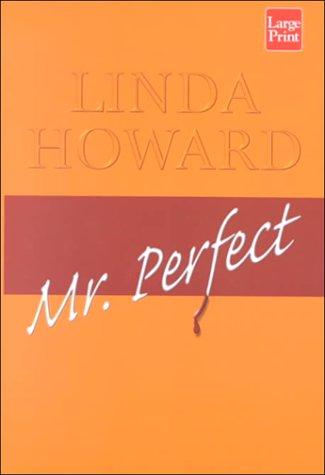
Romantic suspense has a reputation for grim, which is not unearned — the subgenre lives at the intersection of attraction and danger, and writers often lean into the darkness because that is where the tension is. Linda Howard’s Mr. Perfect is the exception that proves the rule: a romantic suspense novel that is genuinely, consistently funny in its first half before the stakes become genuinely frightening, and that holds both registers simultaneously without either undermining the other. It is a demonstration of craft that most thriller writers never manage.
The premise is brilliant in its simplicity. Jaine Bright and three of her friends, in the course of a girls’ night, compile a joking list of everything that would constitute the perfect man — a list that ends up published in the local paper, generating enormous attention, and eventually marking the women who participated in it as targets for someone methodical and very dangerous. Jaine’s neighbor Sam Donovan is the detective assigned to the case, and also the man she has had a contentious relationship with since he moved in and immediately made her life inconvenient in multiple small ways. Their forced proximity as the danger escalates is both the plot mechanism and the romantic engine.
Howard writes banter with an ease that makes it look effortless and isn’t. Jaine and Sam’s antagonism has real warmth underneath it — they are two people who are genuinely matched in stubbornness and intelligence and have been using that match as a reason to avoid acknowledging the other obvious things — and the shift from irritation to something else is handled with enough humor that it never becomes precious. The suspense plot, meanwhile, is serious. Howard doesn’t soften the threat or make it decorative, which means the moments where Jaine is genuinely in danger carry real weight rather than existing purely as a device to push the romance forward.
This is the kind of romantic suspense that demonstrates why readers who loved the subgenre in the 1990s and early 2000s find it so difficult to replace. Howard brought a specific combination of wit, pacing, and emotional intelligence that her contemporaries and successors have approximated but rarely equaled. The appeal of her work for readers who came up on After the Night and the broader Linda Howard catalog is consistent: these are books that trust readers to want both the laugh and the fear, and deliver both.
The audio experience for this era of romantic suspense has improved considerably with modern narration — older readers who encountered these books in print often find the audio versions revelatory, particularly for the comedic timing in the first half. The tension sequences, when narrated well, are properly tense in a way that makes the light-to-dark transition feel seamless.
For readers who are new to romantic suspense and uncertain where to start, this is one of the most accessible entry points: the romance is foregrounded, the humor keeps it readable even before the danger escalates, and Howard never requires familiarity with police procedure or thriller conventions to follow and enjoy the plot. Readers who found Sacred Sins compelling but wanted more wit alongside the suspense will find this is exactly that.
What Mr. Perfect knows is that the most satisfying romantic suspense is the kind where you feel the romance and the danger with equal intensity — where neither is subordinated to the other, where the hero’s professional engagement with the threat and his personal engagement with the heroine are genuinely in tension. Howard achieves that balance better than almost anyone, and this book is her most reliable demonstration of it.